Imagine you're running a vital assembly line, and instantly your circulation meter starts wandering. It's reviewing reduced, and you're unsure if it's a blockage, a used sensor, or simply time for a check-up. Waiting days to send that tool off-site for solution can cost you big in downtime. That's where onsite calibration can be found in-- a faster, smarter method to keep your procedure running efficiently.
What Is Onsite Calibration?
Onsite calibration implies bringing the certified tools and knowledge straight to your facility rather than delivering tools back to a lab. Instead of disconnecting pipelines or stopping operations for a bench check, professionals calibrate instruments-- pressure assesses, temperature probes, torque wrenches and even more-- in position. It's a type of tool calibration made to lessen disturbance and make sure measurements continue to be reliable.
Why Onsite Calibration Matters
When a sensing unit wanders out of tolerance, it can influence product top quality, safety and compliance. A moisture analyzer that reviews high can lose power drying material needlessly. A miscalibrated solidity tester might let scrap components slip through. Attending to these problems right away maintains things on track.
Lowering Downtime
Downtime is more than an aggravation-- it's actual cash. Image an oil handling plant where stress sensing units begin showing irregular readings. As opposed to closing down for a https://www.google.com/maps/place/?q=place_id:ChIJdxt-P7B-ZIgRS5MKkjtNFoM week to send determines off-site, onsite calibration teams get here with mobile requirements. They verify and change readings, so production returns to in hours, not days.
Maintaining Safety and Compliance
In markets such as aerospace or pharmaceuticals, guidelines require accurate analyses. Nondestructive evaluation tools frequently rely upon adjusted sensing units to spot splits or bit contamination. An onsite browse through guarantees that your equipment fulfills audit criteria without the headache of logistics.
Key Instruments for Onsite Calibration
- Circulation meter Pressure scale Temperature sensor Moisture analyzer Hardness tester Torque wrench and torque wrenches Fragment counter
Ideal Practices for Effective Onsite Calibration
Calibrating instruments in the area calls for cautious preparation and clear paperwork. Follow these standards to get the most from your following check out:
1. Prep work
Collect historical data on each instrument's performance. Evaluation past calibration documents to spot trends-- perhaps that circulation meter wanders more when system pressure climbs above 50 psi. Ensure the calibration team has access to vital locations which any type of harmful power resources are shut out. A tidy, arranged office helps them work effectively.
2. Making Use Of Traceable Standards
Exact onsite calibration relies on mobile requirements that link back to national or international references. Whether adjusting a torque wrench or verifying a firmness tester, professionals use calibrated master gauges and accredited blocks to ensure every reading traces back to a known criterion.
3. Adjusting Under Real Conditions
One of the benefits of onsite work is evaluating instruments at actual operating temperatures and pressures. A temperature sensor might behave in a different way at ambient lab degrees than it carries out in a warm stove or steam line. By adjusting under real-world conditions, you capture the entire picture.
4. Extensive Documentation
Each calibration ought to come with a detailed report: before-and-after analyses, ecological problems, unpredictability worths, and any referrals. Excellent documents help you intend the next calibration and defend your conformity throughout audits.
Real-World Example: Particle Counters in Clean Rooms
A semiconductor producer observed an increase in defect rates. Their ecological tracking system flagged higher counts on a particle counter inside a clean room. Instead of thinking, they set up an onsite calibration. Service technicians cleaned the inlet filters, verified the flow rate, and changed the photometer positioning. Within a day, the counter was back in resistance, and the problem rate stopped by 20%.
Selecting the Right Calibration Partner
Not all provider are developed equivalent. You desire a team that understands your processes-- whether it's a nondestructive density gauge or a moisture analyzer in a paper mill. Try to find service technicians with hands-on experience, clear pricing, and the ability to give quick turnaround.
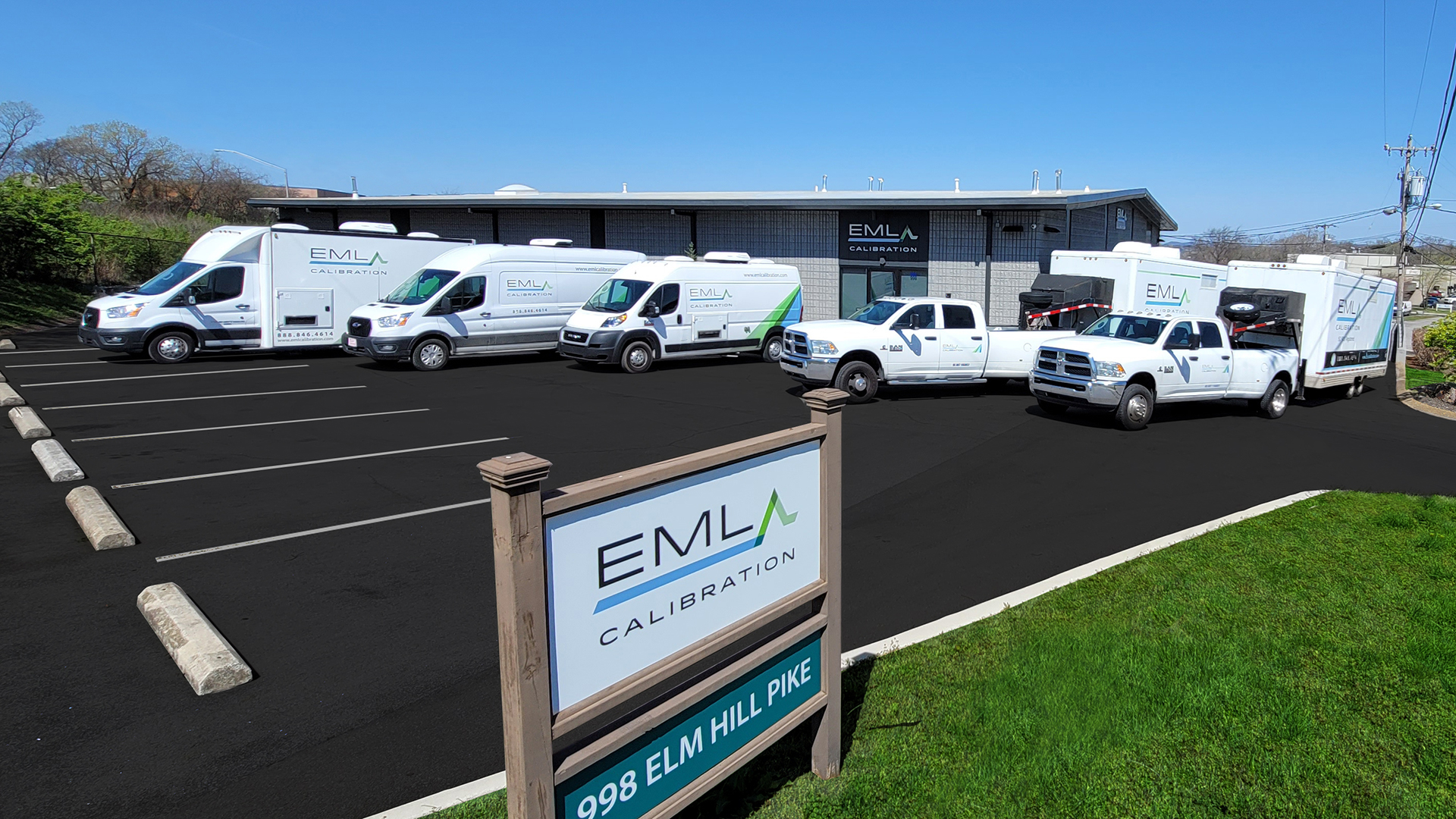
For centers throughout multiple markets, EML Calibration uses professional onsite calibration services. Their mobile labs are geared up for a large range of jobs, from stress and temperature checks to torque wrench confirmation. Following time you require to adjust in position, consider them a trustworthy source.
With the right method to onsite calibration, you'll keep tools dependably adjusted, decrease downtime, and preserve the high quality and safety and security your operation needs.
Name: EML Calibration
Address: 998 Elm Hill Pike, Nashville, TN 37210, United States
Phone: (888) 846-4614
Website: https://www.emlcalibration.com/